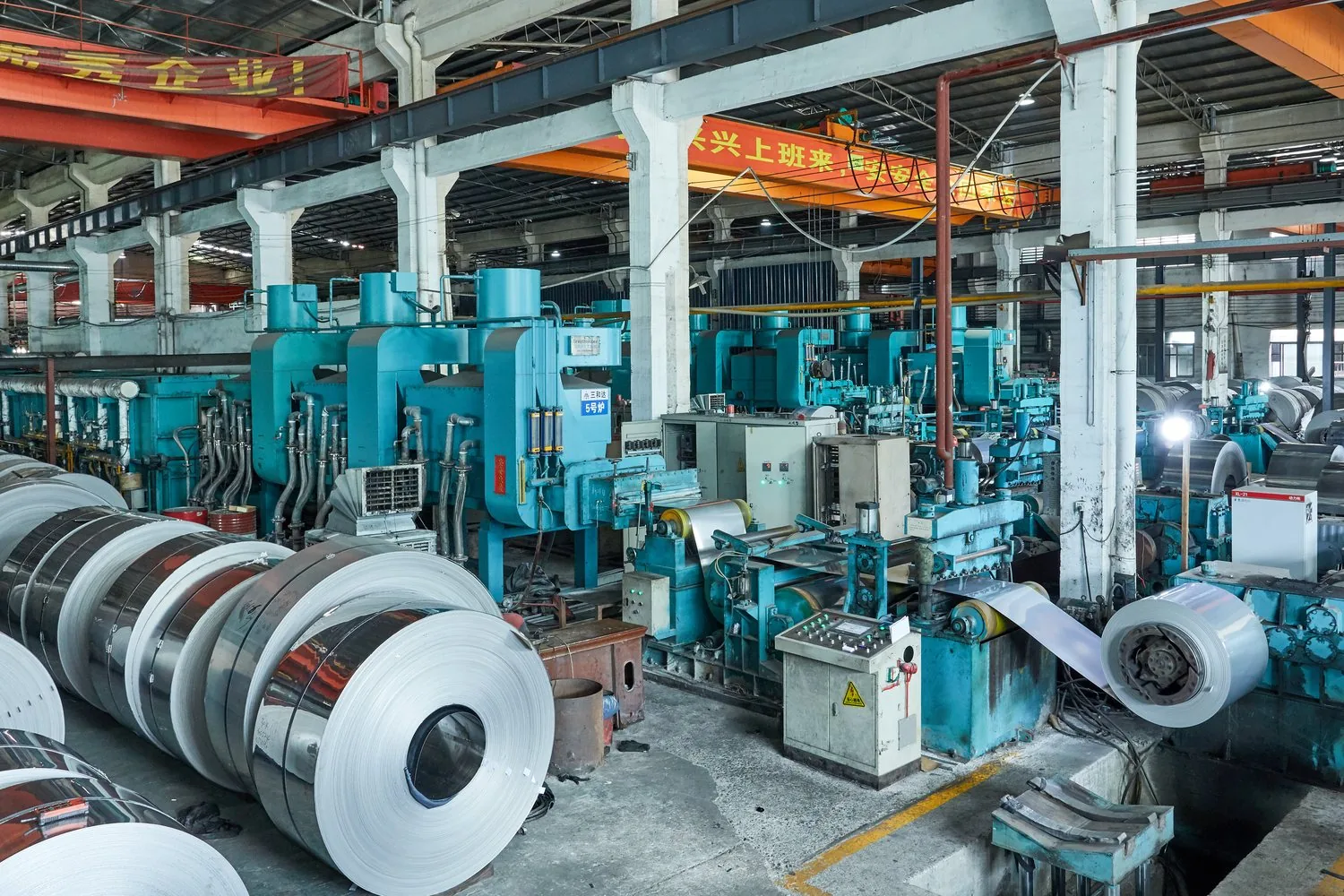
High-Speed Horizontal Bright Annealing Furnace
A horizontal looper furnace for high-quality strip annealing lines, built for stable surface quality, smoother running and continuous high-speed processing.
Stable Horizontal Looper Annealing System for High Surface Quality Processing
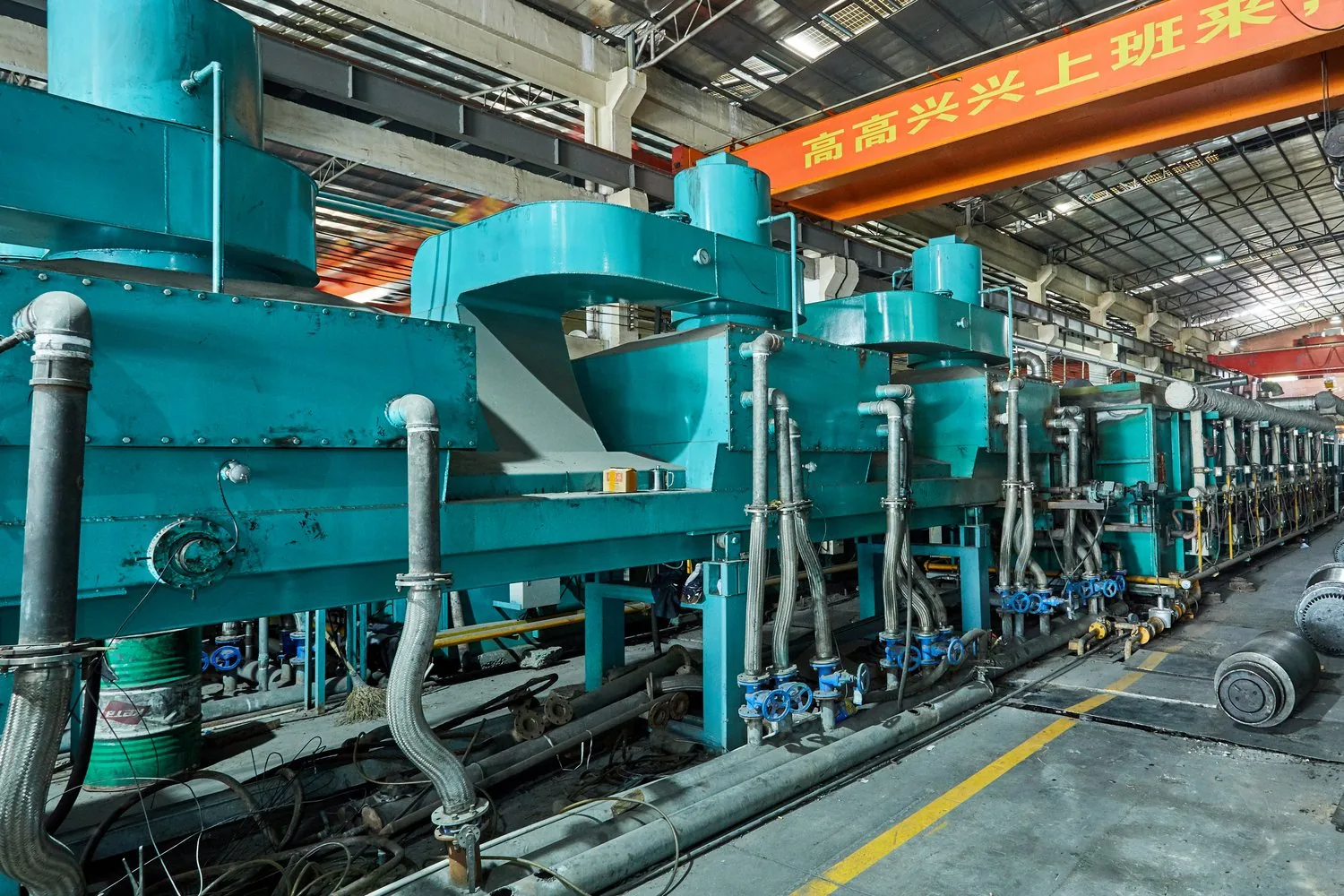
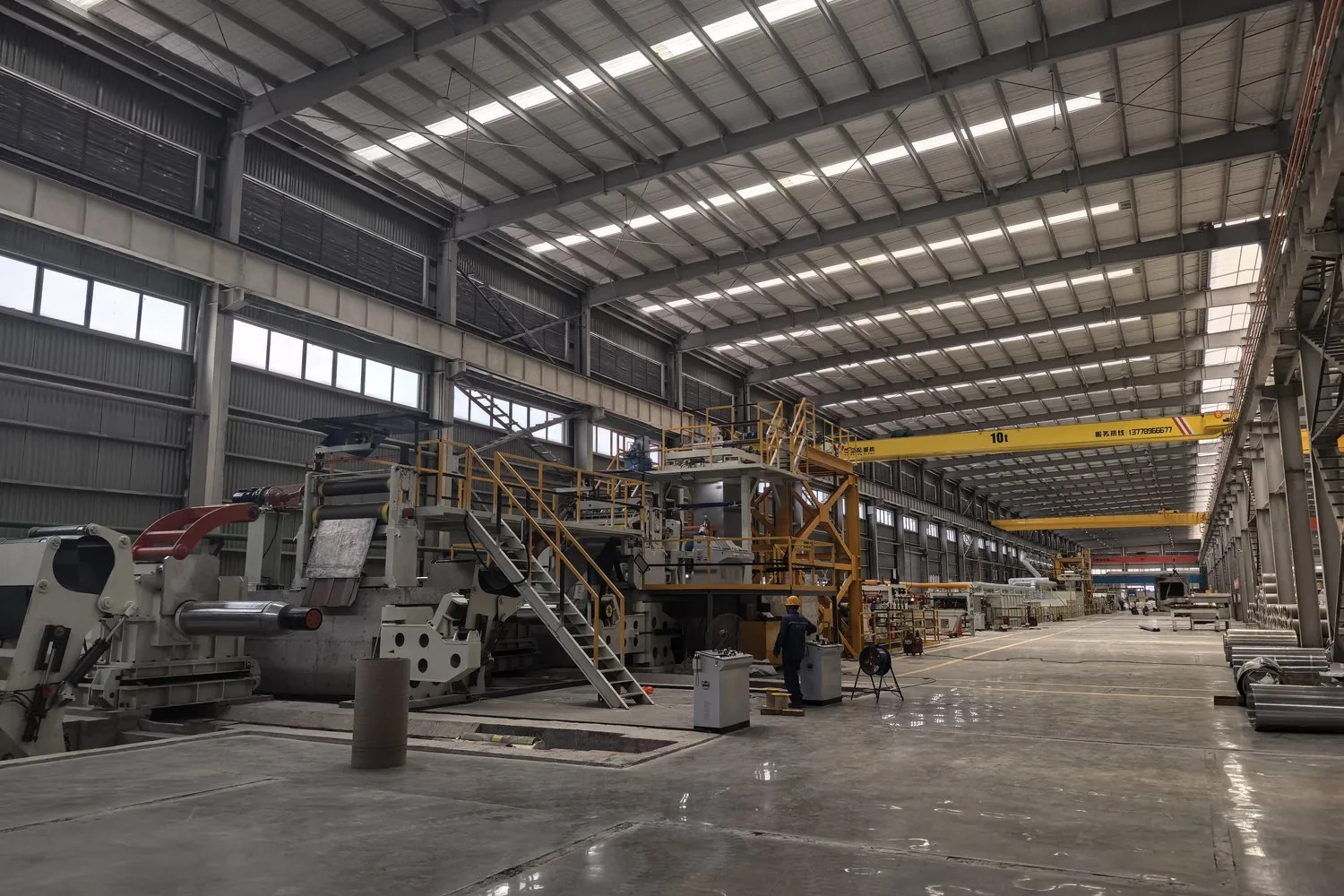
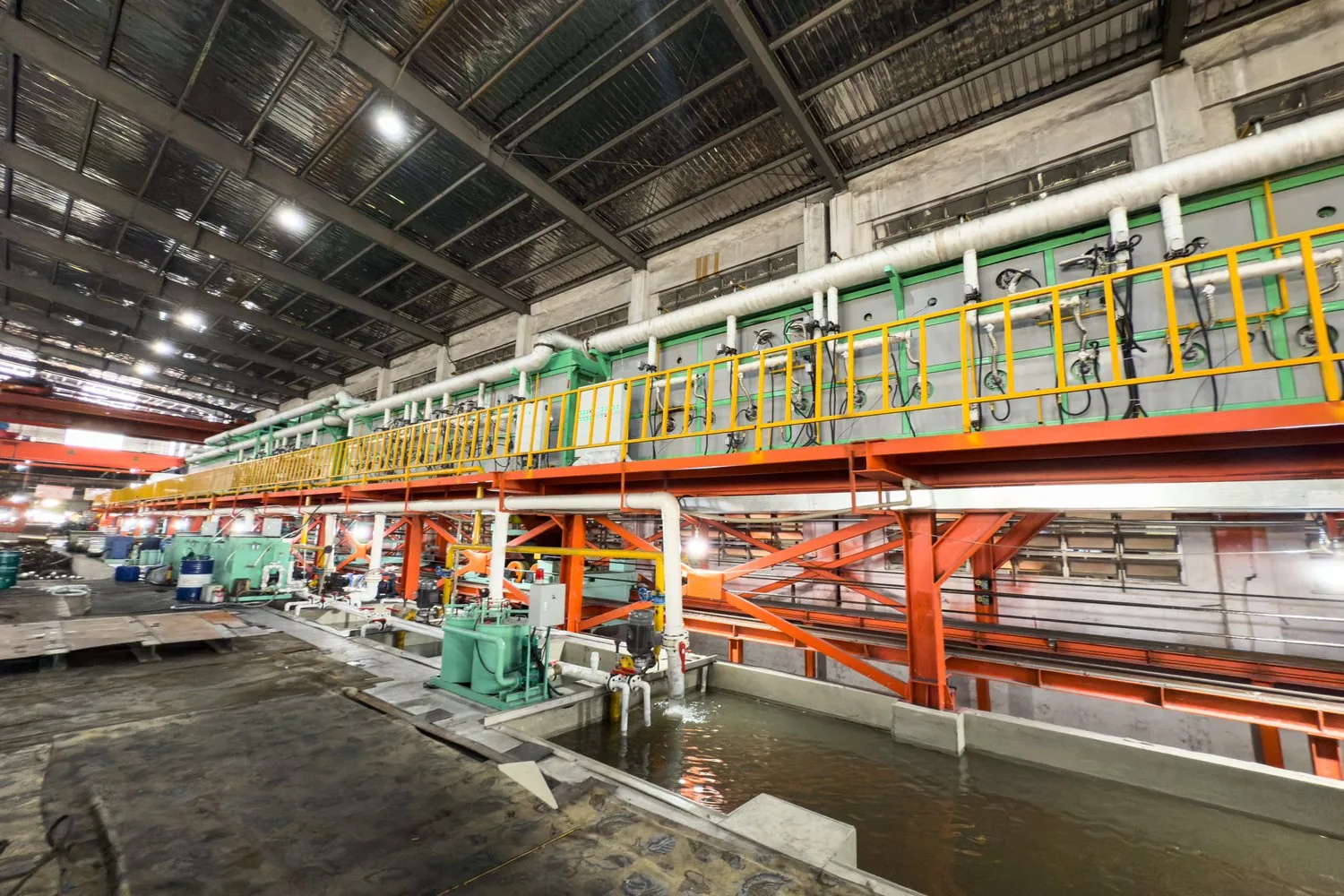
The AKS horizontal bright annealing furnace combines horizontal looper storage, steady strip travel, protective atmosphere control and cooling management for high-quality BA strip processing.
A horizontal looper furnace for high-quality strip annealing lines, built for stable surface quality, smoother running and continuous high-speed processing.
AKS starts with strip grade, width, thickness, surface target and line-speed requirement, then configures the horizontal looper, heating section, protective atmosphere and cooling route into one coordinated strip annealing line.
| Materials | 201 / 304 stainless steel and project-specific alloys |
|---|---|
| Strip width range | 850-1550 mm |
| Strip thickness range | 0.1-3.0 mm |
| Annealing temperature | 750-1100℃ |
| Protective atmosphere | Nitrogen / hydrogen / dissociated ammonia / argon |
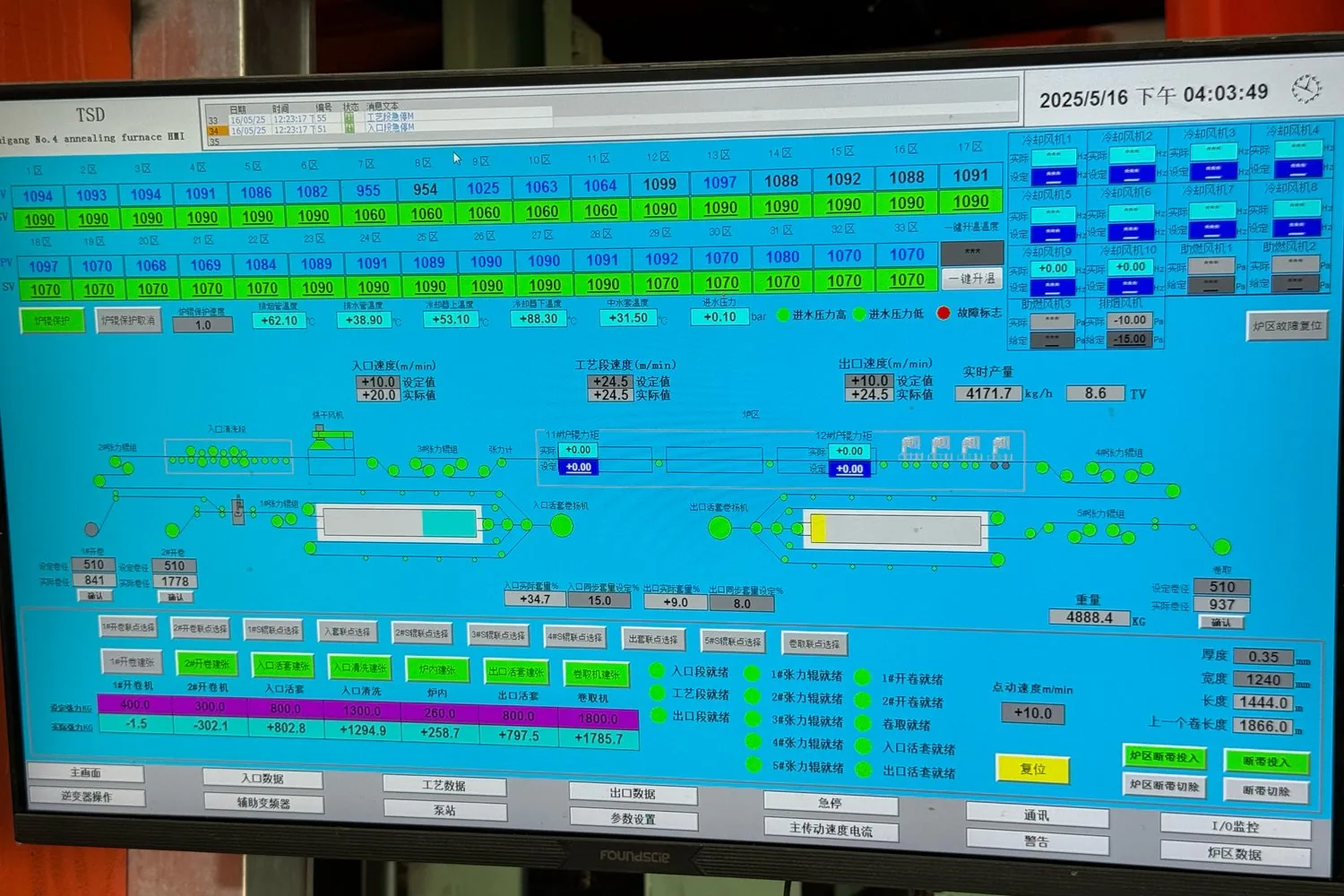
PLC, HMI, alarms, process records and energy monitoring all serve the same goal: holding temperature, dew point, oxygen level, tension and exit cooling within target windows during high-speed continuous annealing.
The value of a high-speed horizontal bright annealing furnace appears in smoother strip travel, more stable surface finish, better operating visibility and reliable continuous annealing output.
Horizontal strip storage keeps the strip path visible, supports plant maintenance access and helps reduce high-level service work.
Temperature, atmosphere, tension and cooling are coordinated to support bright, stable BA/2BA surface quality.
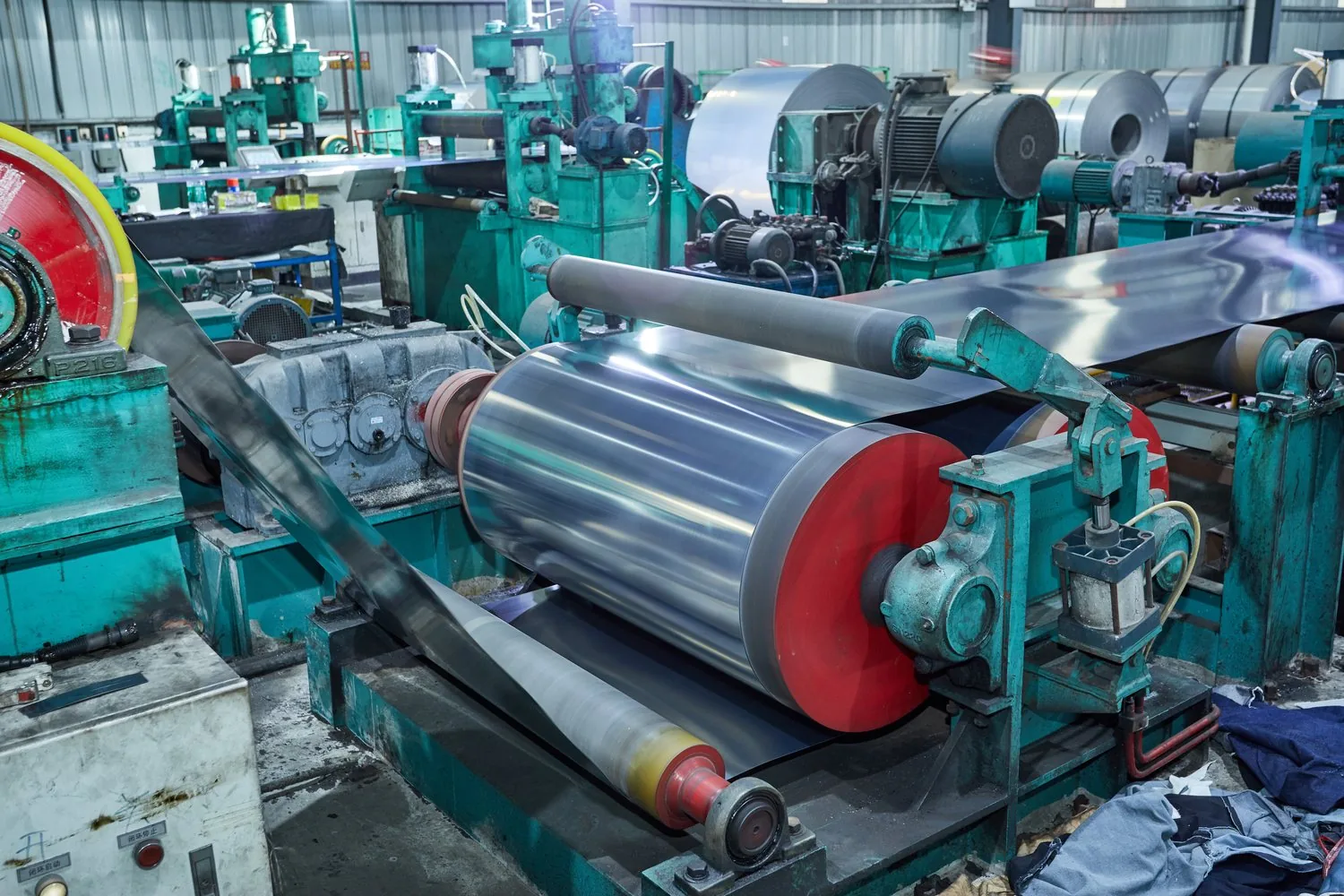
The horizontal looper furnace stabilizes strip travel and supports high-speed continuous annealing for demanding strip lines.
These article templates use an engineering decision tone so buyers understand the variables before project discussions begin.
A practical look at dew point, oxygen level, temperature uniformity and exit temperature.
Read article
Air-fuel ratio control, insulation, muffle design and heat recovery together determine energy efficiency.
Read article
Temperature, airflow, tension and outlet speed work together to stabilize flatness after annealing.
Read article